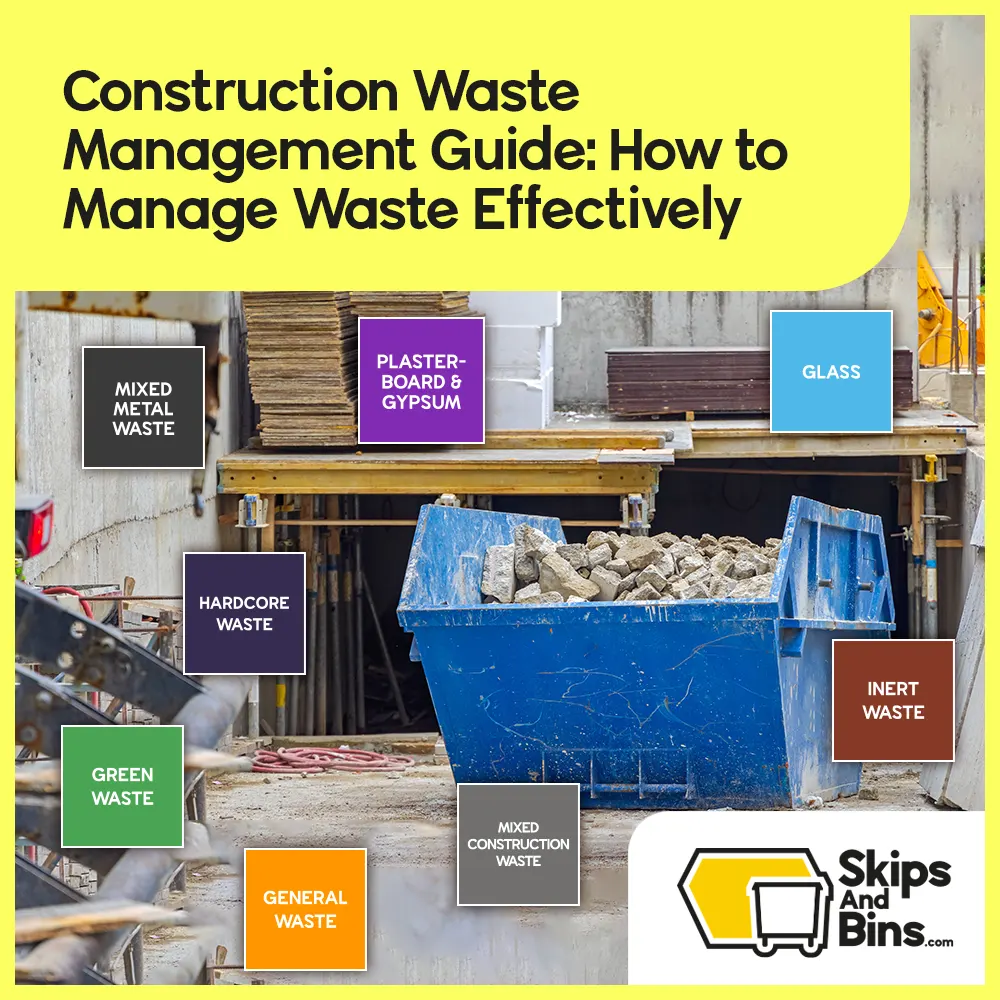
Construction projects of all sizes generate waste. From broken bricks and timber to packaging, soil and general site rubbish, managing construction waste properly is an important part of keeping a project safe, organised and environmentally responsible.
Whether you are carrying out a home renovation, managing a commercial development or working on a larger construction project, having the right construction waste management plan can make a significant difference.
In this construction waste management guide, we look at the different types of construction waste, how to manage them effectively and why choosing a reliable skip hire service can make waste disposal considerably easier.
What Is Construction Waste Management?
Construction waste management is the process of collecting, storing, separating, recycling and disposing of waste produced during construction, renovation, demolition and refurbishment projects.
Good waste management helps prevent sites becoming cluttered with unwanted materials while making it easier to identify which materials can be reused or recycled.
Construction waste can include:
- Bricks, blocks and rubble
- Timber and wood
- Plasterboard and other building materials
- Metals
- Cardboard and packaging
- Plastics
- Soil and excavation waste
- General construction rubbish
The exact types of waste produced will depend on the nature and size of the project.
Why Is Construction Waste Management Important?
Effective construction waste management isn’t simply about keeping a building site tidy. Poorly managed waste can create safety hazards, take up valuable working space and increase disposal costs.
A well-organised approach allows waste to be removed regularly rather than allowing it to accumulate throughout the project.
There are also environmental benefits. Separating recyclable materials from general waste can help reduce the amount sent to landfill and support the reuse of valuable resources.
For construction companies, contractors and homeowners alike, choosing the right construction waste disposal solution from the beginning can make a project much easier to manage.
How to Manage Construction Waste
The most effective approach is to consider waste management before work begins.
1. Identify the Waste Your Project Will Produce
Start by considering the materials that are likely to be removed or discarded. A house renovation may generate timber, packaging and rubble, while a demolition project could produce considerably larger quantities of construction waste.
Understanding the likely volume and type of waste helps you select the appropriate skip size and disposal solution.
2. Separate Waste Where Possible
Separating materials can make recycling and disposal more efficient. For example, metal, timber and certain recyclable materials may be suitable for recovery rather than being treated as general waste.
Keeping different waste streams separate can also help prevent recyclable materials becoming contaminated.
3. Choose the Right Skip
Skip hire is one of the simplest ways to manage construction waste on a building or renovation project.
The right skip provides a dedicated location for waste, helping keep the site organised while allowing unwanted materials to be removed when required.
Depending on the project, options can range from smaller skips for domestic renovations through to larger skips suitable for substantial construction work.
If you’re unsure which skip is appropriate, SkipsAndBins.com can help you identify a suitable solution based on the amount and type of waste you expect to produce.
4. Avoid Overfilling Your Skip
One important aspect of responsible skip hire is making sure the container isn’t overloaded.
Waste should remain safely within the skip and should not protrude over the top. Overfilled skips can create transportation and safety problems and may not be suitable for collection.
Planning your waste disposal requirements in advance can help you avoid needing additional collections or containers.
Construction Waste Recycling
Recycling is an increasingly important part of modern construction waste management.
Many materials removed from construction sites can potentially be recovered and processed for further use. Metals, cardboard, timber and other materials can often be separated from general waste, depending on the facilities and waste stream involved.
Reducing the amount of waste sent for disposal can have environmental and practical benefits.
However, it’s important to understand that not every type of construction waste can be placed into a standard skip. Certain materials may require specialist disposal arrangements.
Always check what your chosen skip hire provider accepts before ordering.
What Can You Put in a Construction Skip?
The types of waste accepted will depend on the skip and waste service you choose.
Typical construction and renovation waste may include general building rubbish, timber, packaging and other non-hazardous materials.
Some materials require specialist handling and should not simply be placed into a standard skip. These can include hazardous waste and certain restricted materials.
If you are unsure whether a particular material can be disposed of using a skip, check with your waste management provider before putting it into the container.
Why Choose SkipsAndBins.com for Skip Hire?
When construction waste starts building up, having a dependable UK skip hire service can save time and make waste management considerably simpler.
At SkipsAndBins.com, we provide skip hire solutions designed to make construction, renovation and clearance projects easier to manage.
Competitive Skip Hire
Keeping construction projects within budget is important. Our aim is to provide low-cost skip hire without compromising on a straightforward, reliable service.
Whether you’re clearing waste from a domestic building project or managing waste from a larger construction job, we offer a range of skip hire options to suit different requirements.
Skip Hire Across the UK
Finding a skip hire provider that can service your location makes arranging waste collection much easier.
SkipsAndBins.com provides skip hire across locations throughout the UK, helping homeowners, builders, contractors and businesses arrange convenient waste disposal.
Simple Online Booking
For many projects, the last thing you need is a complicated waste management process.
Our online skip hire service makes it straightforward to select the required service, provide your location and arrange delivery.
Suitable for Construction Projects
From home extensions and refurbishments to larger building projects, skip hire provides a convenient way of keeping construction waste contained and ready for collection.
If your project is producing significant quantities of waste, choosing an appropriately sized skip at the start can help prevent unnecessary disruption.
Planning Your Construction Waste Management
The best time to plan construction waste disposal is before work begins.
Consider:
- How much waste the project is likely to generate
- What types of waste will be produced
- Which materials may be recyclable
- What skip size you are likely to need
- How frequently waste will need to be removed
Planning these points in advance can help keep your construction site cleaner, safer and more efficient.
Make Construction Waste Easier to Manage with SkipsAndBins.com
Construction waste doesn’t have to become a problem. With the right waste management plan, suitable skip hire and regular waste removal, building and renovation projects can remain organised from start to finish.
Whether you’re a homeowner clearing building waste, a tradesperson completing a refurbishment or a construction company managing a larger project, SkipsAndBins.com offers a convenient and cost-effective way to arrange skip hire.
For reliable skip hire in the UK, choose SkipsAndBins.com and make construction waste management one less thing to worry about.