How to Manage Property Waste Efficiently
Landlords across the UK regularly face the challenge of managing waste from property renovations, tenant changeovers, garden maintenance and end-of-tenancy clearances. Whether you own a single rental property or manage a large portfolio, choosing the right waste disposal solution can save time, reduce costs and help keep your properties clean, safe and ready for new tenants.
At SkipsAndBins.com, we make it easier to arrange reliable, affordable skip hire for landlords, letting agents, property managers and property maintenance professionals. From clearing unwanted furniture and household rubbish to disposing of renovation waste, our skip hire services help simplify property waste management across the UK.
In this landlord waste disposal guide, we explain how to manage rental property waste responsibly, when to hire a skip, which waste types require special attention and why SkipsAndBins.com is a convenient choice for your next property clearance.
Why Is Effective Waste Disposal Important for Landlords?
Keeping rental properties free from unwanted waste is an important part of property maintenance. Accumulated rubbish, damaged furniture, discarded household items and building debris can create safety hazards, attract pests and make a property less appealing to prospective tenants.
Effective waste management is particularly important during tenant changeovers, when landlords often need to remove abandoned belongings, replace damaged fixtures or prepare a property for refurbishment.
A well-planned waste disposal process can help landlords:
- Prepare rental properties for new tenants more quickly.
- Maintain clean, safe and presentable homes.
- Dispose of renovation and maintenance waste responsibly.
- Reduce unnecessary trips to household waste recycling centres.
- Coordinate property clearances with builders, cleaners and maintenance contractors.
For landlords managing multiple properties, having a reliable skip hire provider can also simplify ongoing maintenance by making waste removal easier to organise whenever the need arises.
Common Types of Waste Generated by Rental Properties
The type of waste produced by a rental property depends on its condition, size and maintenance requirements. Understanding what needs to be removed helps landlords choose an appropriate waste disposal solution.
End-of-Tenancy Clearance Waste
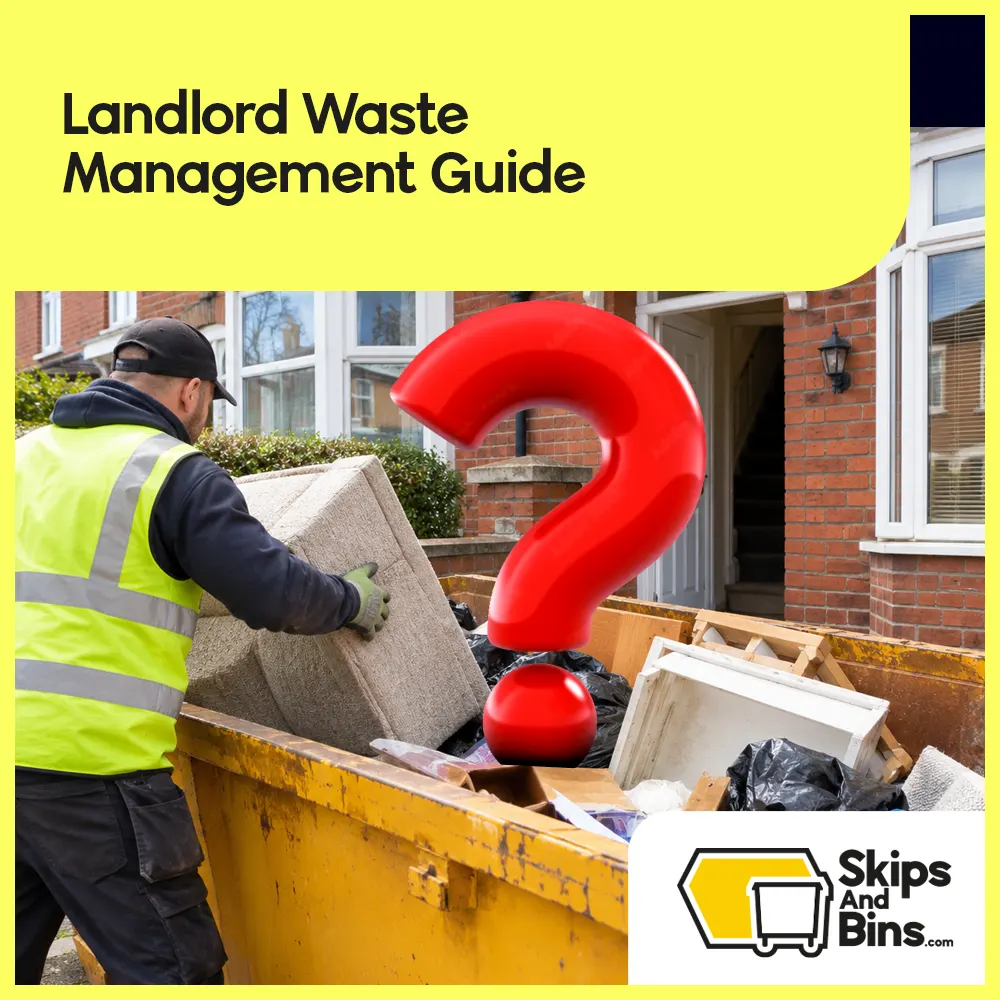
When tenants move out, properties may contain unwanted furniture, mattresses, broken appliances, packaging, general household rubbish and other discarded items.
A skip can provide a practical way to collect suitable waste in one place, particularly when a property requires a comprehensive clearance before cleaning, decorating or re-letting.
However, landlords should establish ownership of abandoned belongings and follow applicable tenancy procedures before disposing of items left behind. Not everything remaining in a property should automatically be treated as rubbish.
Renovation and Refurbishment Waste
Property improvements can generate substantial quantities of waste. Common examples include:
- Bricks, rubble and broken masonry.
- Timber, plasterboard and flooring.
- Old kitchen units and bathroom fittings.
- Packaging from new fixtures and building materials.
- General waste generated during refurbishment.
Hiring a skip for renovation waste can help keep work areas organised and reduce the time spent arranging multiple waste collections.
Landlords planning substantial building work should discuss the expected waste types and quantities with their skip hire provider before booking.
Garden and Outdoor Waste
Gardens, driveways and communal outdoor spaces also require regular maintenance. Hedge cuttings, branches, soil, turf and other garden waste can accumulate quickly, particularly when a property has been neglected between tenancies.
A suitable skip can make larger garden clearance projects easier to manage. However, soil, turf and heavy materials may be subject to specific weight restrictions or booking conditions, so always check what your chosen skip can accept.
Choosing the Right Skip Hire for Landlords
Selecting the right skip size is one of the most important steps when planning property waste disposal. A skip that is too small may require an additional collection, while a larger skip than necessary could increase costs.
The ideal size depends on the volume and type of waste, the available space and the nature of the clearance.
For example, a small tenant changeover involving a limited amount of rubbish may only require a smaller skip. By comparison, a full house clearance, extensive garden renovation or major property refurbishment may need a larger capacity.
When arranging landlord skip hire, consider the following:
- Volume of waste: Estimate how much rubbish, furniture or building debris needs removing.
- Type of materials: Heavy rubble and soil can reach weight limits before a skip is full.
- Available space: Check that there is sufficient room for delivery, safe loading and collection.
- Hire duration: Plan the booking around your clearance or refurbishment schedule.
- Access and permits: If the skip needs to be placed on a public road, a local council permit may be required.
If you are unsure which skip is appropriate, SkipsAndBins.com can help you explore suitable skip hire options for your property clearance requirements.
What Can Landlords Put in a Skip?
Many common property clearance materials can be placed in a skip, including general household rubbish, wood, bricks, rubble and certain types of refurbishment waste, subject to the provider’s terms and the skip booked.
However, some materials require separate arrangements because they may be hazardous, restricted or unsuitable for standard mixed waste disposal.
Items that may need specialist collection or specific arrangements include:
- Asbestos-containing materials.
- Chemicals, solvents and certain paints.
- Gas cylinders and pressurised containers.
- Electrical equipment and certain appliances.
- Batteries and other hazardous waste.
Plasterboard, mattresses, tyres and electrical items may also be subject to particular restrictions or additional charges, depending on the waste facility and service provider.
Landlords should never assume that every item can go into a general-purpose skip. Checking the accepted waste list before loading helps avoid additional costs, collection delays and disposal problems.
Where possible, separate recyclable materials and reusable furniture from general waste. Donating suitable furniture or arranging specialist recycling can reduce the amount sent for disposal.
Responsible Waste Disposal and Landlord Obligations
Landlords have a responsibility to manage property waste appropriately and take reasonable steps to ensure it is handled by legitimate waste operators.
In England, businesses and landlords disposing of business waste may have a duty of care under waste legislation. Requirements can vary depending on the circumstances, the type of waste and whether the property is being managed privately or as part of a business.
Using an appropriate waste carrier and ensuring waste reaches an authorised facility are important parts of responsible disposal. Landlords should also retain relevant waste transfer documentation where required.
Fly-tipping is another important consideration. Leaving unwanted furniture, rubbish or building materials in alleyways, communal areas or other unauthorised locations can create environmental problems and potentially lead to enforcement action.
Choosing a suitable skip hire service helps provide a more organised alternative to leaving waste in inappropriate places. Always confirm the provider’s arrangements for lawful waste collection and disposal.
For properties in conservation areas, restricted streets or locations with limited access, check local requirements before arranging a delivery.
How SkipsAndBins.com Makes Landlord Waste Disposal Easier
Managing rental properties can involve tight turnaround times, unexpected maintenance work and multiple contractors. Landlords need waste disposal arrangements that fit around their schedules rather than adding unnecessary complications.
SkipsAndBins.com helps customers find and arrange skip hire for a wide range of property waste requirements across the UK.
Whether you are clearing a flat after a tenancy, refurbishing a rental house or managing waste from several maintenance projects, our service provides a convenient starting point for finding a suitable skip hire solution.
Convenient Skip Hire for Property Clearances
Arranging skip hire can make it easier to bring suitable waste together in one place rather than relying on repeated trips to a recycling centre or coordinating numerous small collections.
This can be particularly useful for landlords working with property maintenance teams, builders, decorators and clearance contractors.
Options for Different Project Sizes
Every property clearance is different. From smaller maintenance jobs to larger refurbishment projects, selecting the right skip capacity helps you plan waste removal more effectively.
By considering your waste volume, material types and site access requirements before booking, you can find a more appropriate solution for the job.
Helping Landlords Plan Costs
Unexpected waste disposal expenses can affect refurbishment budgets and reduce the profitability of rental properties.
Planning skip hire in advance gives landlords a clearer understanding of the collection arrangements and helps reduce the risk of unnecessary repeat bookings.
When comparing options, check the total price, permitted hire period, collection arrangements, weight limits and any applicable permit or waste surcharges.
Skip Hire Across the UK
Landlords and property managers may need waste disposal at different addresses, particularly when managing multiple rental properties or working with a portfolio of residential investments.
SkipsAndBins.com helps customers explore skip hire options across the UK, making it easier to find an appropriate service for their location and project requirements. Availability, skip sizes and delivery arrangements depend on the area and the provider serving it.
Ready to arrange skip hire for your rental property? Visit SkipsAndBins.com to explore your options and find a suitable waste disposal solution for your next clearance, renovation or property maintenance project.
Practical Tips for Managing Waste Between Tenancies
Good preparation can make the next property clearance more efficient and help prevent avoidable delays.
Before work begins, carry out an inspection to identify unwanted furniture, damaged fixtures, garden waste and building materials that need removing. Estimate the quantity of waste and confirm which items require specialist disposal.
Coordinate skip delivery with your contractors so that waste can be loaded as work progresses. Avoid overfilling the skip, keep materials within its sides and never exceed the permitted weight limit.
If the skip will be placed on a public highway, check whether a permit is necessary and allow sufficient time for the relevant arrangements.
For landlords with several properties, keeping a record of waste disposal requirements and preferred collection arrangements can make future tenant changeovers easier to manage.
Make Your Next Property Clearance Easier with SkipsAndBins.com
Effective waste disposal is an important part of successful property management. Whether you are preparing a rental property for new tenants, undertaking essential repairs or completing a full refurbishment, choosing the right waste removal solution can help keep the project organised and on schedule.
From general property clearance waste to suitable building and garden materials, skip hire offers landlords a practical way to manage larger volumes of rubbish while reducing the inconvenience of repeated disposal trips.
SkipsAndBins.com helps landlords, letting agents, property managers and maintenance professionals find convenient skip hire options across the UK.
If you are planning an end-of-tenancy clearance, renovating a rental property or simply need a more efficient way to manage property waste, visit SkipsAndBins.com to explore your skip hire options and take the next step towards a cleaner, more manageable property.